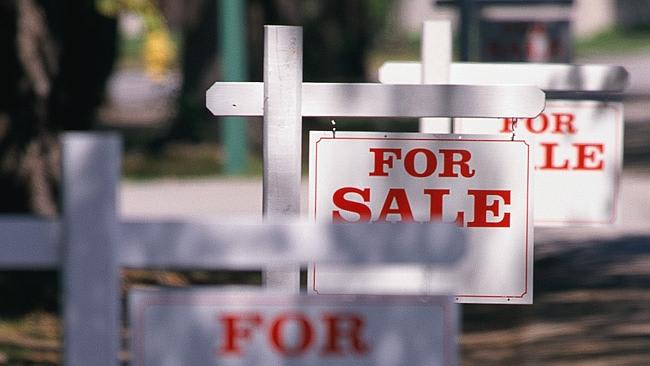
As of late April 2024, mortgage rates in the United States have shown a noticeable increase compared to the beginning of the year. The average interest rate for a 30-year fixed-rate mortgage recently marked at 7.17% according to the Federal Reserve Bank of St. Louis, indicates a gradual rise from earlier weeks (FRED Data). NerdWallet reported a slight uptick to 7.204% APR as of April 25, reflecting ongoing fluctuations in the lending market (NerdWallet).
This increasing trend in mortgage rates can be attributed to several economic factors. Rates generally track the yields on U.S. Treasury bonds, which are influenced by broader economic conditions including inflation expectations and Federal Reserve policies. The Fed’s actions in particular—aimed at controlling inflation—can significantly sway mortgage rates (NerdWallet).
Given the upward trajectory in rates since the start of the year, prospective homebuyers and those looking to refinance might face higher borrowing costs. This makes it crucial for consumers to shop around and compare rates from multiple lenders to secure the best terms. Tools and websites like NerdWallet, Bankrate, and others provide up-to-date information and comparisons that can aid consumers in making informed decisions (NerdWallet) (LendingTree).
Additionally, for those considering entering the housing market, understanding the impact of your credit score, down payment size, and the type of loan on your potential rates is important. Options such as FHA and VA loans might offer more favorable terms, especially for first-time buyers or military personnel (NerdWallet).
In this dynamic market environment, staying informed about the latest mortgage rate trends and understanding how economic factors affect these rates can help borrowers navigate the complexities of home financing more effectively.
Stay tuned for more updates on mortgages as the year progresses.
Build-to-rent (BTR) homes are ideal for people who want the benefits of community living without the hassle of maintenance, mortgage payments, or HOA dues. In recent years, the movement to create more of these types of homes has been increasing due to higher demand. Because of its rapid growth, many real estate companies and investors are developing BTR properties to capitalize on the craze.
As always, 8 Day Home Sale is the go-to investor in the DMV area if you are looking to sell your home. Give us a call today at 301-242-SELL.
We’ve released a Free Brrr and Rental Property Calculator for real estate investors to use to assess their deal economics. “Brrrr” stands buy, renovate, refinance, rent, and repeat. It’s a common strategy used by real estate investors to acquire a portfolio of profitable rental properties.
If you are interested in the strategy, our calculator is a great tool to help you figure our if a deal will give you working numbers. Give it a try and let us know what you think!
Are you planning to sell your home this year? Do you want to fix it up or do you want to directly sell it fast to an we buy houses Virginia investor “As Is”? These are the concerns of property owners especially if their homes are not recently renovated or quite old.
What does “As Is” really mean?
It’s when the property is sold in its current condition. It means any issues or problems with the home will not be addressed by the seller.
Fixing Up Your Property
Interested in fixing up the property first before selling it? You will have to consider fixing these things:
Asbestos
Broken or malfunctioning systems (e.g. HVAC)
Old drywall
Faulty or leaking roof
Mildew or mold problems
Structural issues
Termite damage or infestation
Plumbing
Electrical wiring
It will also take thousands of dollars to make these fixes and typically take 6 to 12 months to finish the home renovation. Take, for example, fixing or replacing the roof can cost as much as $15,000, and painting the house can cause up to $8,000.
Often times selling your house “as is” to a we buy houses Virginia investor like 8 Day Home Sale is the easiest path. Renovating a house is expensive, stressful, and very time consuming. You will have to deal with managing contractors an a realtor. Not fun!
8 Day Home Sale already helped a lot of old house sellers in Maryland, Virginia, and Washington D.C. We put those properties in great shape and made everybody get their share.
With the Covid vaccination in the US, real estate in the DMV area is gaining confidence. Home sellers will be getting ready to dispose of their properties to get their investment back. Housing demand is high for the first quarter of 2021 and will continue this spring.
Low Mortgage Rates
With the pandemic, home selling is quick as buyers are taking advantage of low mortgage rates and it might end soon after this season.
Limited existing homes for sale
Buyers are actively looking for the perfect home this spring especially now that covid has changed the way people work.
Taking advantage before summer
With 3 Million vaccinations on a daily basis, the economy might go back going faster. Mortgage rates will go higher, home buyers will decrease and the window of opportunity of selling your home will take a longer time than we expect.
Home Sellers will be on the rise
Home sellers will be on the rise this summer, traditionally, people are ready to sell their property this season. Competition in home selling will rise so get ready in preparing your property. We have tips for you in selling your home. Check it out in our blog section.
In conclusion, this spring 2021, let’s take advantage of this opportunity and sell your home. Even old houses can be bought in less than 8 days with an investor like 8 Day Home Sale. Take action and decide to sell it before summer.
There’s a lot of reasons why some old houses are vacant. Some properties were inherited from their parents or relatives and some moved to another location for better mobility and career opportunities. Let’s face it, we do not want these old houses to rot. Also in some areas, these properties are robbed or vandalized because no one is living in them anymore.
Tip #1 – Rent it out
Here are practical solutions for your old vacant houses.
There’s a lot of reasons why some old houses are vacant. Some properties were inherited from their parents or relatives and some moved to another location for better mobility and career opportunities. Let’s face it, we do not want these old houses to rot. Also in some areas, these properties are robbed or vandalized because no one is living in them anymore.
Tip #2 – Have a family relative live on your property
e have family relatives that might be starting with their careers and family that might be interested in taking care of your old vacant house. Instead of relatives paying rent, why not have these families renovate that property and taking care of all the quick fixes for themselves. Be sure that they will be responsible for the property and visit them just to make sure.
Credit: Shutterstock
Tip #3 – Sell it fast with real estate investors
If you need to dispose of or sell your old vacant house, there’s a lot of real estate investors like 8dayhomesale.com who will buy the house. Fast transactions, especially with old vacant houses, are the niche of real estate investors. They take good care of your property and renovate it to find the perfect buyer for your once-old vacant house.
In conclusion, old vacant houses can be made into a perfect home for the right family.
Let’s face it! Selling your house especially if there are events in our lives that we need to act quickly. Relocation is always better if you have sold your house before you moved out and get that needed money for your new home. So what are some hacks on how to sell your house fast?
Some old houses can’t be sold especially to banks because the value of the property is not worth investing in. So what can you do as a seller? Here are some tips from experience in real estate investing for more than 10 years. Investing in Maryland, Virginia, and Washington DC.
Choose the right real estate agent or investor
Real Estate Investor with Home buyer or seller
This one tip is crucial, this will decide on how many days you can sell your property, its either 7days or up to 60 days. Choosing a real estate investor can buy your property at a reasonable price without you renovating your house and can buy it from you with 8 days or less if the documents are already processed. Check out 8dayhomesale.com for more details of a real estate investor in Washington DC, Maryland, and Virginia.
Choosing a real estate agent is also an option but you also have to choose the agent with a lot of experience and business network. They know a lot about the location of your community and how to sell it. But with a catch, they want your property to be attractive enough for an open house to attract buyers to sell it. So it depends on your decision. If your property has recent renovations, you may not need to invest in a major fix.
Clean and Declutter
It always one of the best tips for every home selling. Well, who wants to buy a dirty rotten house, right? If your house is in the market and buyers will see it, they will negotiate to lower the price for up to 20 to 30% of your asking price. That’s a lot! And you don’t want that.
So the next weekend, schedule a major cleanup with your family and separate things that can be donated or be sold in a garage sale. Check out Marie Kondo’s tips on how to declutter things and you start right away! We need to sell your house fast, right? You can also hire a professional cleaning service to help you out with the cleaning and save a lot of money and time.
Goodhousekeeping.com has great tips on how and what to declutter. Check it out too!
Paint it white
Painting it white will increase your chances of getting it sold fast. Not red, not pink, and definitely not violet! Study shows that white is one of the best paint to attract buyers. It’s a symbol of purity and cleanliness, and buyers will appreciate a fresh white-painted property. Let the color white do the magic and get offers to your house.
Don’t get too emotional
Based on our experience, a lot of people are getting emotional in selling their houses. The delay in selling it! A lot of excuses not to sell it. We interviewed a lot of emotional sellers and a major reason is that they grew up on that property and they have their closest friends in their community.
Think about the future, and let go of the past. Say goodbye to the property that you loved dearly. Do not worry because future homeowners will also take care of your home and make memories of it.
Quick Repairs will make magic
This is in relation to the Clean and Declutter tip, its twin brother. Faucets, squeaky doors, shelves, and electrical wirings are some of the things you can fix. Hire a handyman to make an evaluation on what parts of the house are needed for a quick fix. You will be surprised that there’s a lot of it. If your house is recently renovated, it might be few.
A lot of buyers are always opening lights, faucets, cabinets, and everything they can open. They will open it. Trust me. They will open it. Of course, they want to buy the perfect house for them so they are keen on details in properties.
Take away
If you are really decided to sell it, these tips will take days to do. If you schedule it in your free time, this will be easy for you. Do it on weekends. Hiring some help will also do the trick, of course, you still spend a few hundred dollars for it, but it will be worth it. Maximize the value of your property.
If you want some other 5 minute reads, check out our Real Estate Blogs. It’s easy to read, and you will learn a lot from it.
If you are from Washington DC, Maryland, or Virginia, we are investing in houses and buyers are satisfied with dealing with our sales managers. Check out our website and call us to give a reasonable cash offer. Sell it for 8 days or less and get your cash fast.
Several years ago, more and more people are selling their old properties and having a hard time selling them.
It usually on average takes them 6 to 12 months before they can sell their property. Renovating, dealing with realtors, and finding buyers for their old houses. Shelling out money for renovation, finding the best realtor to deal with, and scheduling with prospective buyers are time-consuming activities for many sellers.
With these concerns, real estate investors came up with the idea of buying it directly from the seller and gives them fast cash. Cash, in just 8 days or less.
Here are 3 reasons why you should trust wholesalers/investors to take care of your property:
No broker/agent’s commission
Since wholesalers will buy it in cash, you do not need to give them a part of your sale, that’s 5% of the sale price. If you sold your property for $100,000, you will give the agent $5,000 upfront. If your property is around $300,000, it’s $15,000 for the real estate agent.
No more renovations for your property
It is also a great idea to renovate your property, right? Well, for some, it’s a good idea to do it because they will have to manage and design the kitchen, bedrooms, and bathrooms. But sellers will have to shell out around $30,000 to $70,000 on average to renovate the property. The seller will also spend 2-4 months of renovation. That’s a lot of money and time to spend if you ask me. Why not let the investor do the fixing and renovation for you? There’s a lot of real estate investors who are great at renovating properties, especially in the DMV area.
Wholesalers buy your property fast
If you have decided to sell your property and you really want to get money fast, strongly consider selling it to a wholesaler. They can buy your property in 8 days or less if they see your property as a good fit at the right price. You can save a lot of time (around 6 to 12 months) and money (50 to 100k), conveniently walk away with what you really want.
In conclusion, wholesalers are there to help you out, solving out the concerns of sellers wanting to sell their properties at a convenient time. If you take a look at it, it’s also the same, shelling out money for commissions and renovations, scheduling appointments for the right buyer compared to selling it to a wholesaler at the right price.
Do you want to save one of the precious commodities on earth? Time?
A lot of movers, renters, and buyers of properties are taking considerations moving in Maryland, Virginia and Washington, DC.
But wait a minute, buying a house is not that easy, it’s not just a beautiful interior of the property is the only consideration in getting that dream house. We have listed down, factors to consider in choosing the best home for you because home buyers are very important to us.
Commute to work
If you were relocated to a new location by your employer, you have to consider the time getting to work. Less time to travel means less energy spent and more productivity for you. More time with your family, less stress means a healthier lifestyle.
One tip is to use Google Maps with your prospective property and your new work location. Do not do it on a Saturday with less traffic, do it on a Monday morning and see how long is your work travel. As a result, you will be satisfied with the travel time. You can now add plus points to your property.
Schools and Universities
If you have children, you have to consider what school they will go to, there’s a lot of great schools and universities in DMV (D.C, Maryland and Virginia) so choosing a home means also choosing the school for your kids, too! Check out great!schools.org about the ratings of the private and public schools in your desired property and see what schools to consider.
It also depends on the perspective of the buyer what size they want in a home, some consider a minimalist or a bigger space. If you want to consider a smaller space, it’s usually near the urban area which is an advantage to those who work in it, less travel time.
But if the buyer is also a work from home employee, or a 2 to 3 times a week go to work employee, they can consider a home which is 1 hour away from their work. The advantage of these properties is that they have bigger floor areas which is best for bigger family. More backyard parties for them too!
Malls and other Commercial areas
A lot of people take considerations properties that are minutes away from groceries, malls and other commercial areas. It also depends on their lifestyles and personalities, right now, you can get your groceries and items to buy in Amazon and Costo thru online shopping.
Great hospitals are also a factor in choosing a property.
So research now and take these factors to consider in getting a property. List those schools, hospitals, commercial areas and be more specific in what you really want. We as real estate investors in 8dayhomesale.com are here to help you out.
Selling your house to get a better value in the market will take time. Here are some tips on how to prepare your house to get interested sellers to buy your house.
Hire a Handyman or Contractor
If your house was not recently renovated, we suggest you hire a professional handyman to do the work for you. Fixing tiles, painting walls and ceiling, and doing some rearranging in the kitchen will do many things to your house.
Research Research Research
Timing is everything especially when you will sell your house. It also depends on the season, some buyers invest on winter and spring. Some states have more buyer in summer and autumn, so research the market and get to know when will be the best time to sell.
Clean and Declutter
Buyers or investors love to see prospective properties clean and free from clutters. We suggest you watch “Tidying up with Marie Kondo” on how to declutter and save you some space. You can also earn money from selling old things like clothes, toys and appliances in a garage sale.
Paint those walls
Simply painting the walls will do the thing to make your property look brand new. If you have the time on a weekend, you can paint it yourself and save money from hiring a painter. Paint it white and see the difference from your old wall.
Look for a Real Estate Investor investor
If you want to sell your house fast, we suggest you search for an investor to save you time and effort. 8 day Home Sale gives you an opportunity to save you the time and money to do all those things like paperwork and fixing the house. Let us help you with all the work and take care of the rest.
Moving out from DC, Maryland or Virginia and move to a prime location? Check out our site for more details on how you can sell your house fast.